Solo Daytime Explorer: Old San Juan, Puerto Rico 🇵🇷
Going back in time to visit the five centuries old UNESCO World Heritage site 🇺🇳


There are a few places in the Americas where history doesn’t just surround you but literally beneath your feet.
Old San Juan is built on cobblestones made from adoquines, blue-tinged slag bricks brought over as ballast in the hulls of Spanish ships, worn smooth by five hundred years of foot traffic. Walk them long enough and the city reveals itself in layers: colonial fortresses that guard the Atlantic, pastel facades the color of guava and saffron, Baroque churches that have outlasted empires, and balconies draped in bougainvillea spilling over streets barely wide enough for two people to pass.
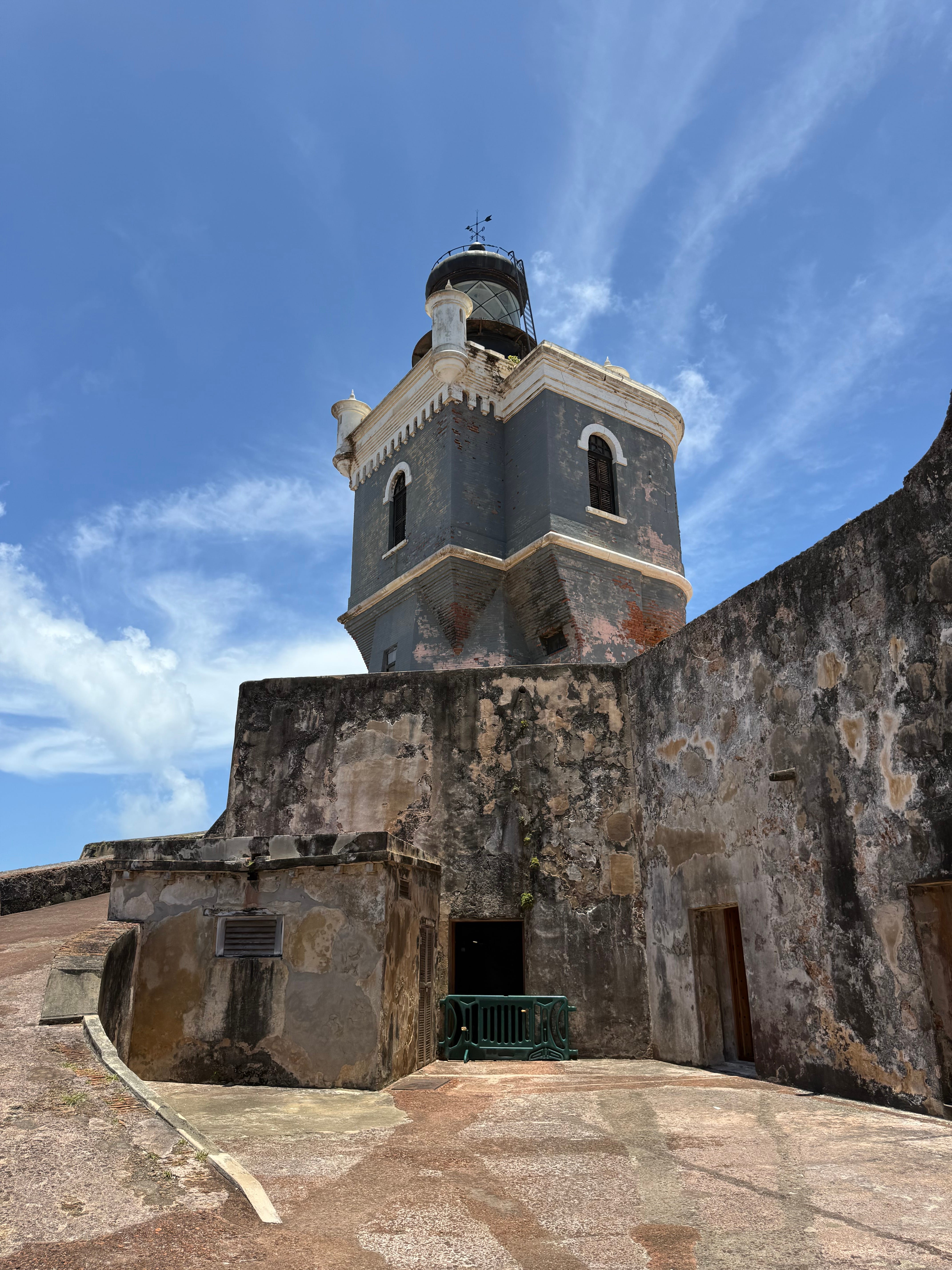
Founded in 1521, San Juan is the second-oldest European-established city in the Americas. Its historic core in a 7-block-wide peninsula at the mouth of San Juan Bay. It remained one of the best-preserved Spanish colonial districts in the entire Western Hemisphere. The fortresses of El Morro and San Cristóbal, both UNESCO World Heritage Sites, bookend the city with sheer masonry walls that rise directly from the sea, reminding visitors that this was once the most strategically important port in the New World.

Travels:
Frontier Airlines | F9 1016: Philadelphia ➡️ San Juan
🛫 07:51 EDT PHL (1h 51m Late)
🛬 11:39 AST SJU (1h 45m Late)
Duration: 3 hr, 48 min

Frontier Airlines | F9 3247: San Juan ➡️ Philadelphia
🛫 23:25 AST SJU (1h 41m Late)
🛬 03:04 EDT PHL (1h 19m Late)
Duration: 3 hr, 39 min

Dining:
Barrachina (4.2 ⭐️ $$)
104 C. de la Fortaleza, San Juan, 00901
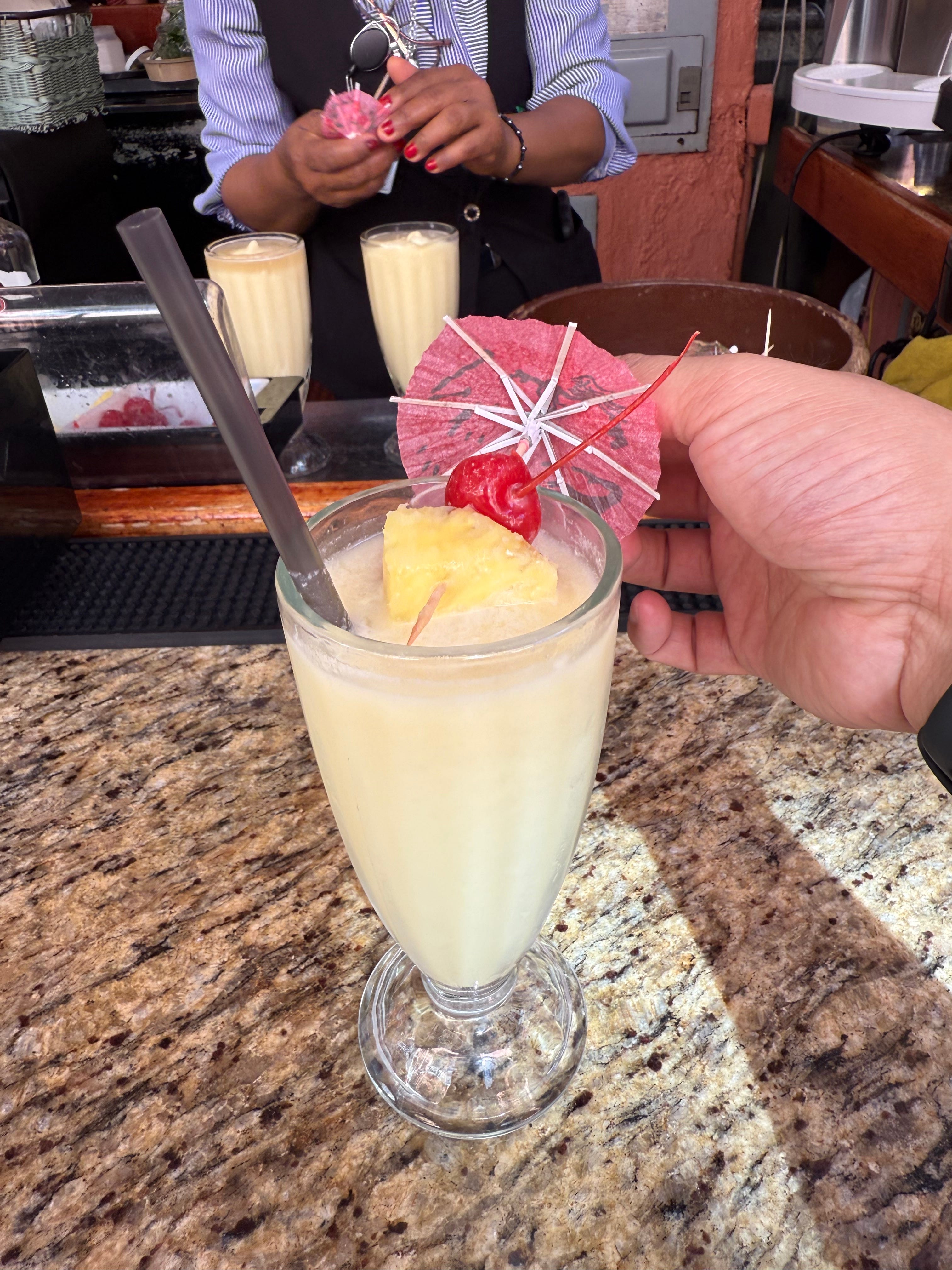
Barrachina has been a fixture of Old San Juan for over 50 years, tucked inside a two-century-old colonial building wrapped around a lush interior courtyard. The food is classic Puerto Rican, the atmosphere unhurried, and the setting genuinely beautiful.
In 1963, Don Ramón Portas Mingot created the piña colada here, and it has been making them ever since.
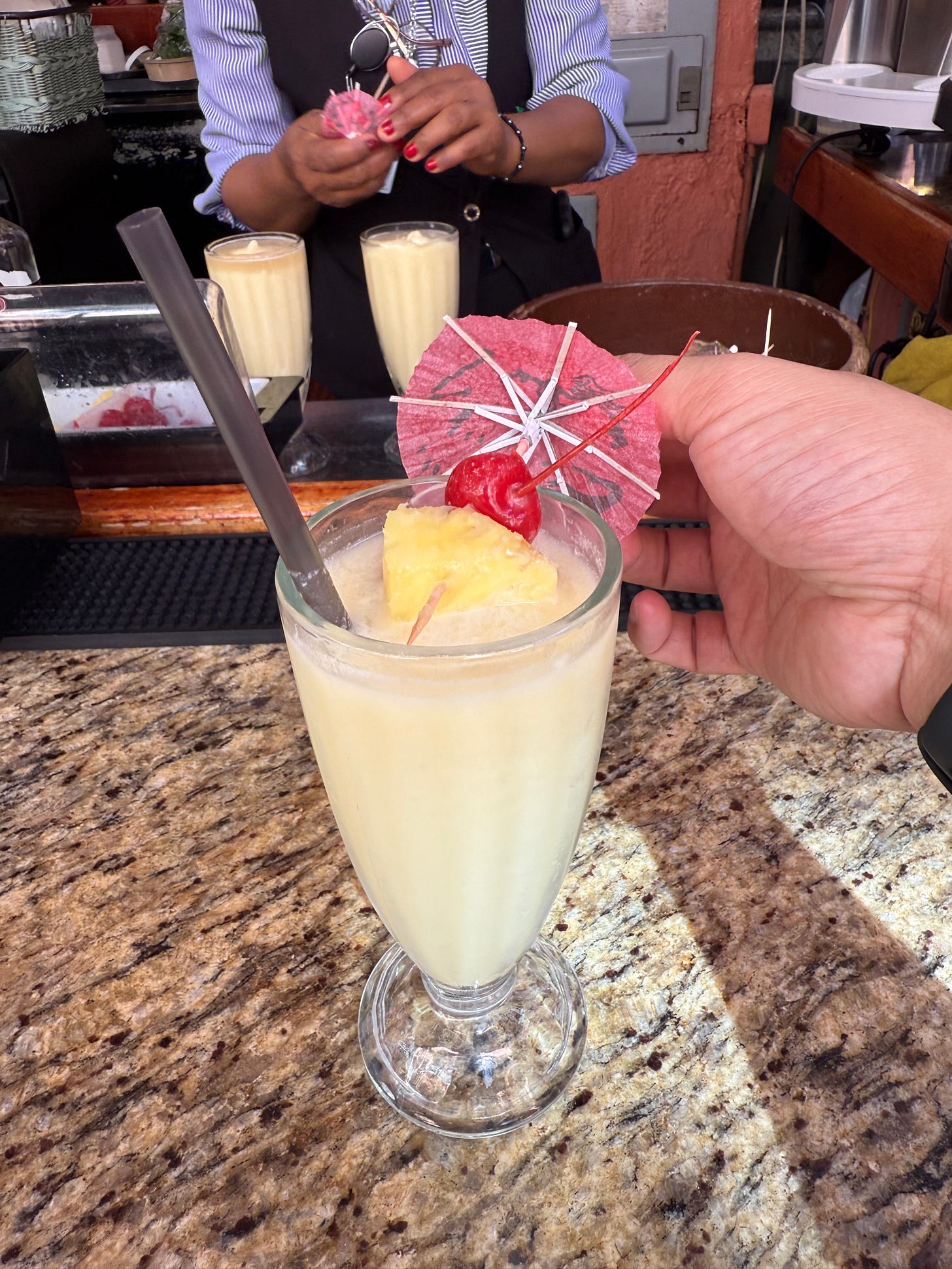
Piña Colada at Barrachina
Activities:
Castillo San Felipe del Morro (4.8 ⭐️)
501 Calle Norzagaray, San Juan, 00901
$10 Admission
Castillo San Felipe del Morro (aka El Morro) is one of the most formidable examples of Spanish military engineering in the Americas. Construction began in 1539, and over the following 200 years the Spanish Crown built it upward and outward into a six-level citadel of limestone walls up to 18 feet thick, rising 140 feet above the sea. It was designed to be, and largely was, impregnable. It repelled British naval attacks led by Sir Francis Drake in 1595 and the Earl of Cumberland in 1598, and held off the Dutch in 1625.
Today El Morro is part of the San Juan National Historic Site, jointly administered with the nearby Castillo San Cristóbal and designated a UNESCO World Heritage Site. The grounds draw visitors into a landscape of sweeping ramparts, sentry boxes called garitas that have become the enduring symbol of Puerto Rico, and vast green esplanades where kites fly against the Caribbean sky. It is a small, joyful contrast to the weight of history all around.


Cuartel de Ballajá (4.7 ⭐️)
Calle Norzagaray, San Juan, 00901
In the center of Old San Juan, just steps from the gates of El Morro, stands one of the largest buildings ever constructed by the Spanish in the Americas.
The Cuartel de Ballajá was built between 1854 and 1864 to house Spanish infantry troops and their families, a self-contained military world with kitchens, jails, stables, and quarters for up to 1,000 soldiers all organized around a grand interior courtyard. It was the last major public building the Spanish Crown erected in Puerto Rico, completed just decades before the island changed hands following the Spanish-American War of 1898.
After more than a century of shifting uses, including a period as a U.S. Army facility, the building has found a purpose that suits its scale and grandeur. Today it is home to the Museo de las Américas, a permanent collection dedicated to the cultural heritage of the peoples of the Americas, from pre-Columbian traditions to the African diaspora to the folk art and craft of the Caribbean. Rotating exhibitions fill its high-ceilinged galleries throughout the year.
The courtyard at the center of it all remains one of the finest public spaces in Old San Juan, shaded and unhurried, framed by three stories of arched Spanish colonial stonework. It is the kind of place that rewards a long sit and no particular agenda.

Fuente Raíces (4.8 ⭐️)
101-103 Paseo de la Princesa, San Juan, 00901
Tucked at the edge of the Plaza del Quinto Centenario, Fuente Raíces is one of Old San Juan's quieter rewards.
The fountain's sculptural forms draw from Taíno and African iconography, weaving together the indigenous and ancestral roots that run beneath Puerto Rican identity. It sits in conversation with the towering Totem Telúrico nearby, part of a plaza built in 1992 to mark 500 years of history on the island.


Puerta de San Juan (4.8 ⭐️)
Caleta de San Juan, San Juan, 00901
For centuries, this was how you entered the city. The Puerta de San Juan, one of the few surviving gates in the old city wall, was the primary entry point for Spanish soldiers, clergy, and settlers arriving from the sea.
Built in the 1500s and painted in its iconic shade of red, the arched gateway connects the waterfront to the cobblestoned streets above, a threshold between the Atlantic and everything Spain built on this island.


Parque de las Palomas/Capilla del Santo Cristo de la Salud (4.6 ⭐️)
1 Calle del Cristo, San Juan, 00901
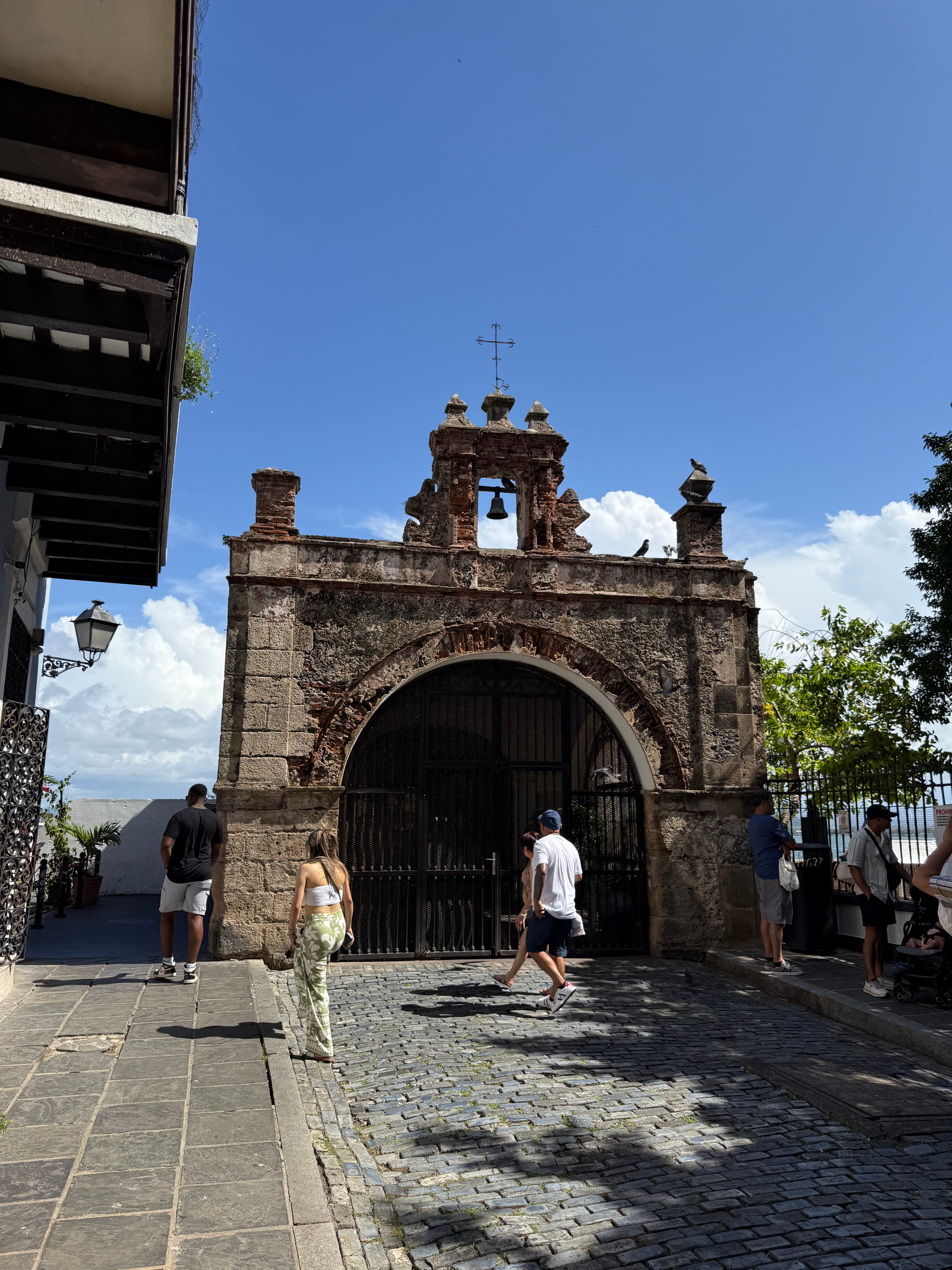
At the southern tip of Old San Juan, where the land drops away to the bay below, a small chapel and a courtyard full of pigeons share one of the most peaceful corners in the city.
The Capilla del Santo Cristo de la Salud dates to 1753, built according to legend at the site where a horseman miraculously survived a fatal plunge over the city wall during a festival race. The tiny chapel, rarely larger than a single room, has been a place of quiet devotion ever since. Next to it, Parque de las Palomas draws locals and visitors alike, the pigeons so accustomed to company they will land on your shoulders without hesitation.
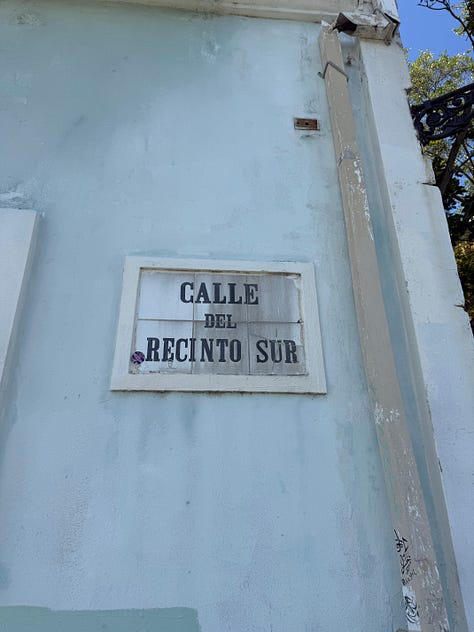
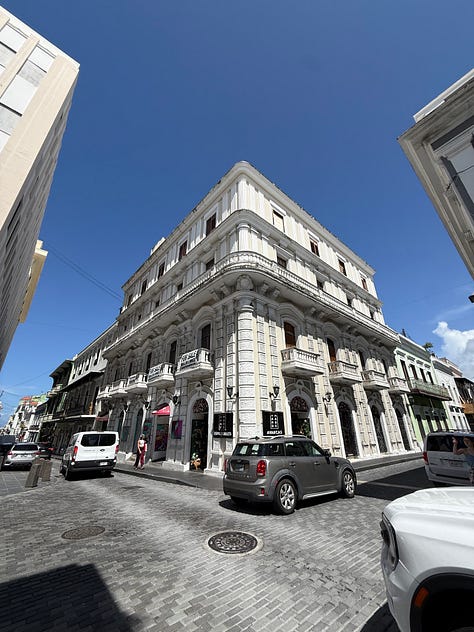
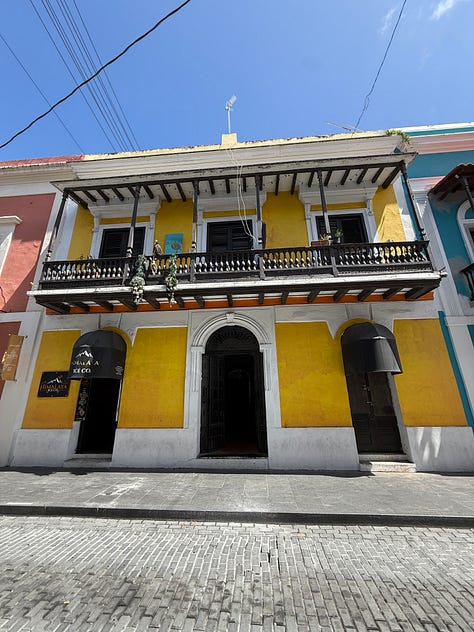
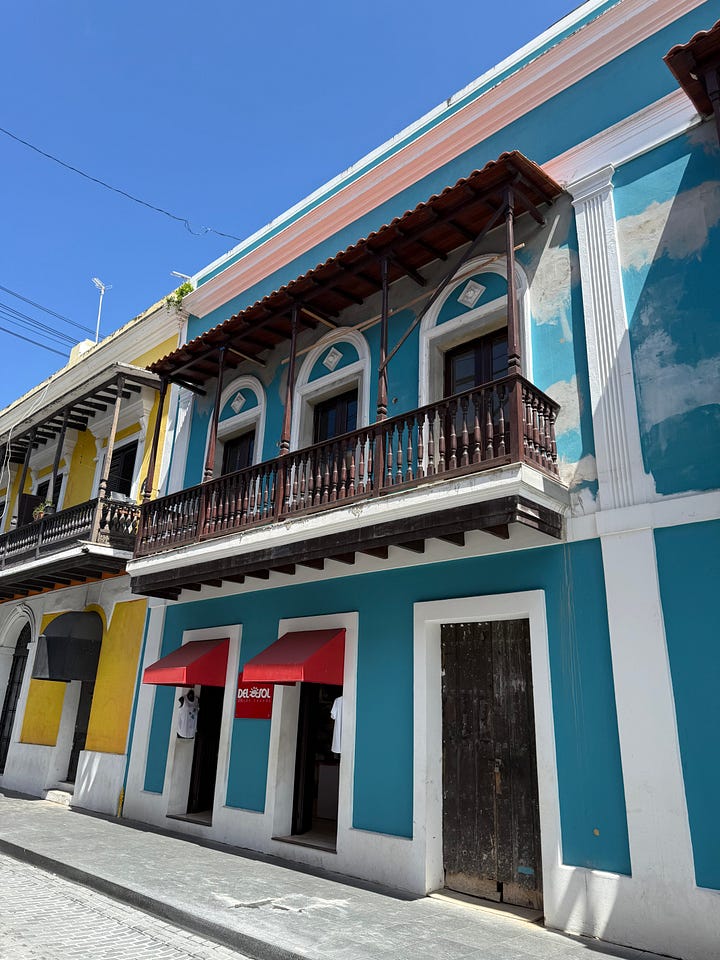
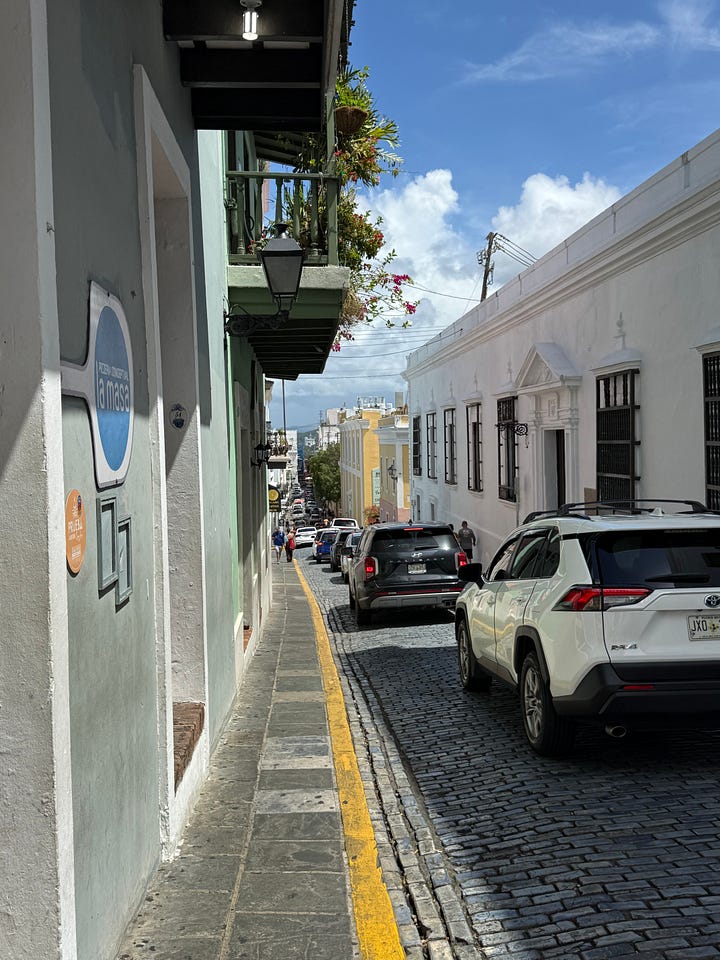
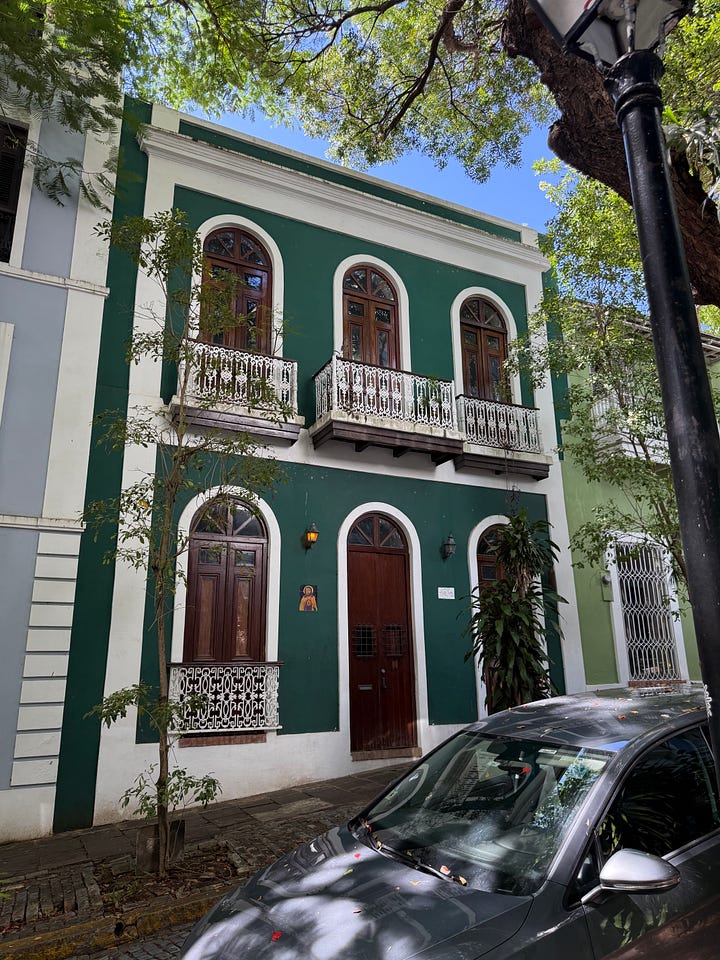
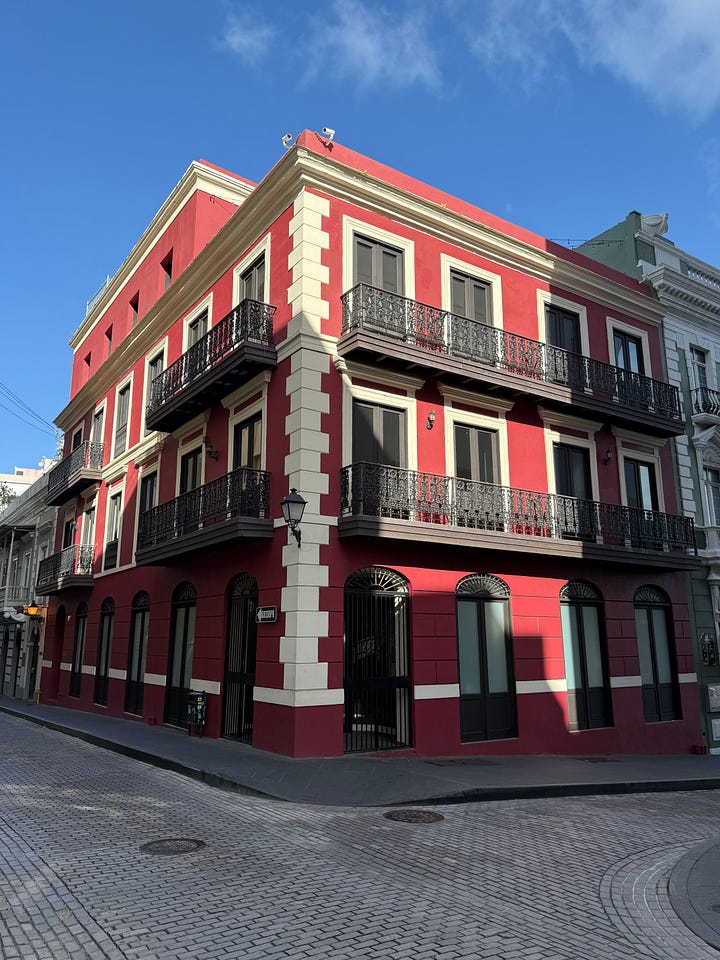
Colorful buildings of Old San Juan
No photograph quite prepares you for it. Walking the streets of Old San Juan, the buildings announce themselves in shades of ochre, cobalt, terracotta, mint, and rose, each facade a distinct note in a chorus that runs the length of every block.
The tradition traces back to Spanish colonial practice, when lime-based paints in natural pigments were applied to masonry walls to protect against the Caribbean climate. Over generations the palette deepened into something more deliberate, a visual identity as recognized as the blue cobblestones underfoot.
Today the colors are maintained with care and pride. No two buildings match, and somehow the whole street does.
Colorful Buildings in Old San Juan, PR